Core Curriculum: English
English is vital for all our pupils. English at The Avenue includes receptive and expressive communication, language development, early English, mark-making, phonics, writing, comprehension, and reading for pleasure.
We value the building blocks of communication and language as a springboard to English skills. The curriculum offer for English is progressive and developmentally appropriate, considering the small steps of learning that pupils require to live happy, independent and language-rich lives. We use an evidence-based early reading scheme, paired with experiential and topic-based learning frameworks that progress into a phonics program that also incorporates writing and comprehension to ensure all learners have meaningful learning experiences. This continuum of learning ensures each pupil has outcomes which are appropriate for them, enable them to succeed and prepare them for the next steps in their learning.
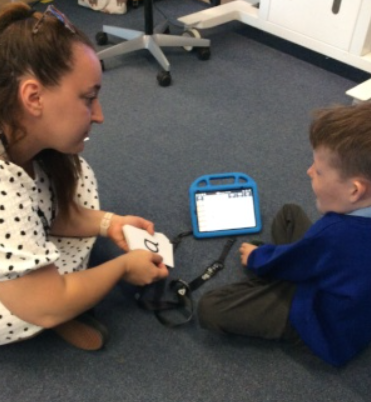
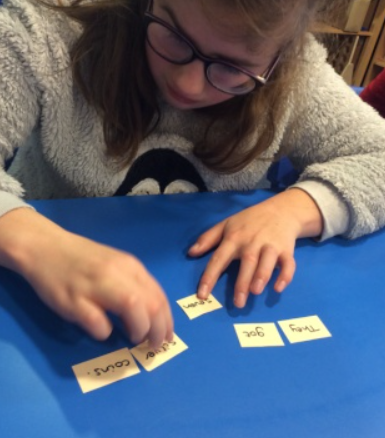
In addition to distinct lessons, our English learning is embedded into all aspects of the school day. We understand that strong English skills support learning, achievement and confidence in all curriculum areas; for our pupils, working on English beyond the lesson, in a range of contexts, is important for fluency, maintenance and generalisation.
Communication is fostered through a total communication approach, so that all young people become confident in their learning. Communication activities and experiences include:
-
access to print materials such as photos, signs, symbols and visual timetables to guide pupils through transitions and sequential learning tasks
-
individualised social stories to teach about key concepts and reassure in times of anxiety
-
mark-making and writing opportunities in the playground
-
access to Smartboard, iPads and laptops which help pupils learn in creative ways
-
pupils having access to a range of fiction and non-fiction books throughout the day
English skills are also encouraged and supported beyond the school gates whilst out and about in the community, travel training or shopping. We believe that every moment is a learning opportunity and at the heart of these moments are the many skills of English which we aim to equip our pupils with as they grow into young adults.
Communication
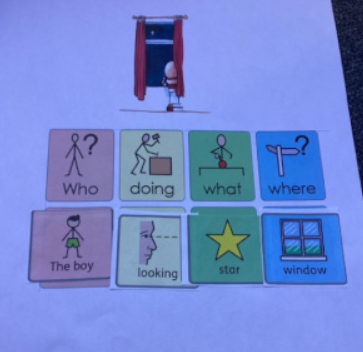
It is a priority that all young people have the opportunity to communicate, whether this is through non-verbal, verbal or device-supported communication. Communication is taught through a range of activities and strategies. At the Avenue, we use communication boards and word maths to enrich vocabulary within the school day. We also use colourful semantics to support the understanding of sentence structure whilst verbally communicating.
Early English/Twinkl Phonics
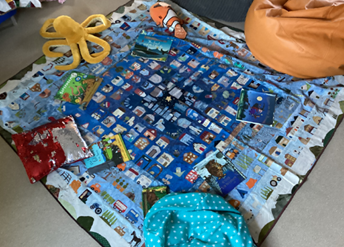
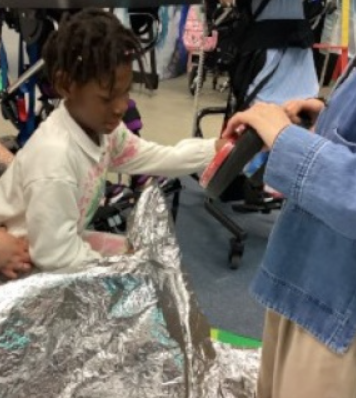
Early English is taught holistically through a range of functional activities and play based in nature, leading to a more formalised structure when the young person is ready for more formalised teaching.
Twinkl phonics is a framework that explores the development and the ‘discrimination’ of the different sounds (recognising, comparing, and distinguishing between sounds). There are seven aspects of learning that young people will be given experiences of, including:
- Aspect 1: environmental sounds
- Aspect 2: instrumental sounds
- Aspect 3: body percussion
- Aspect 4: rhythm and rhyme
- Aspect 5: alliteration
- Aspect 6: voice sounds
- Aspect 7: oral blending and segmenting
Once our young people begin to show understanding across the aspects of Twinkl Phonics, they will then move to formal phonics learning using Read Write Inc (RWI).
Read Write Inc. Phonics/Fresh Start/Language and English
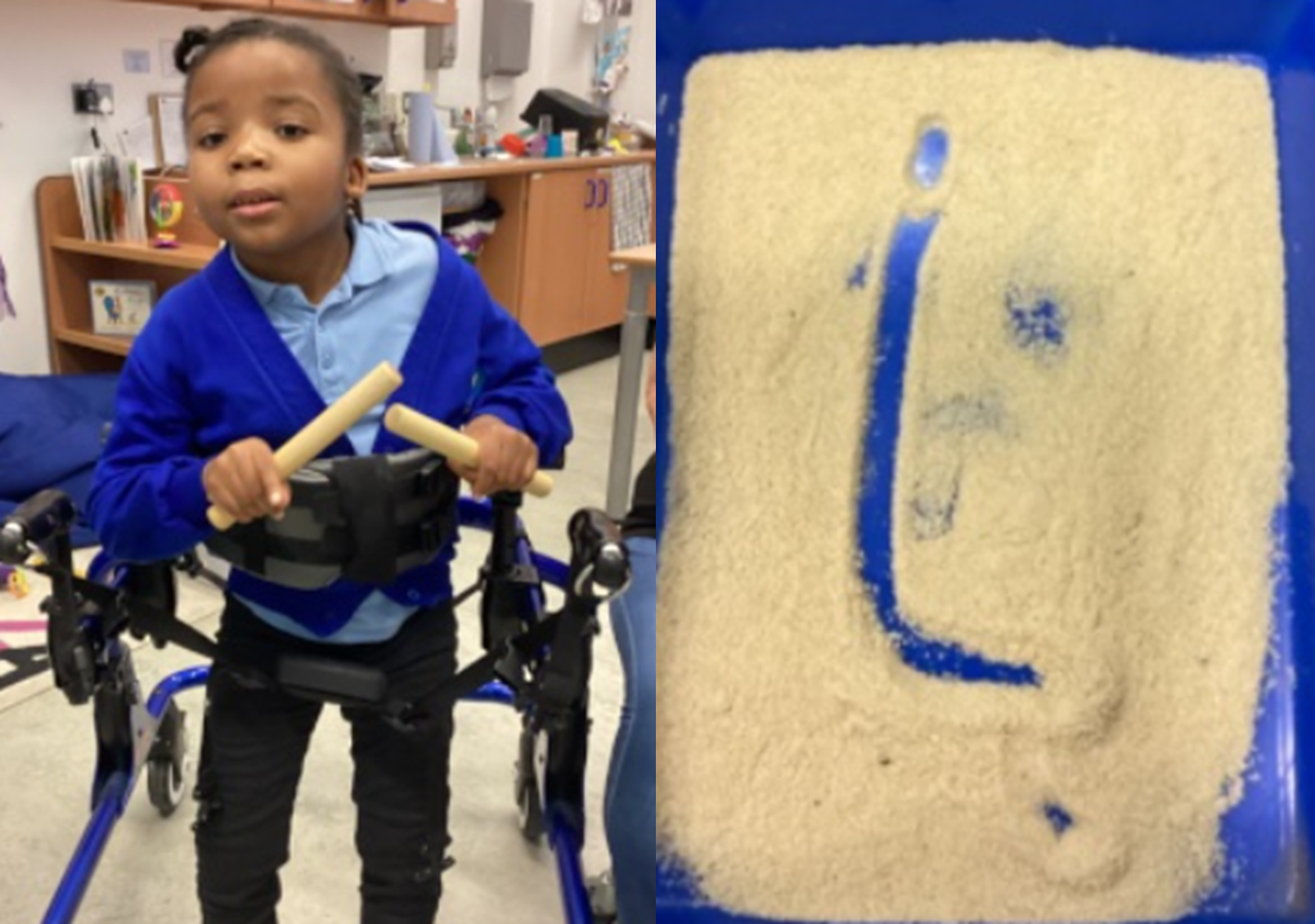
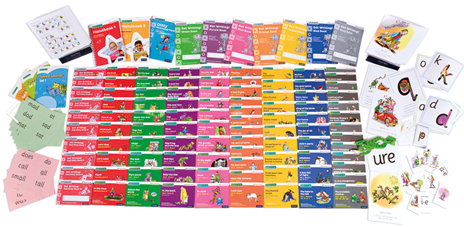
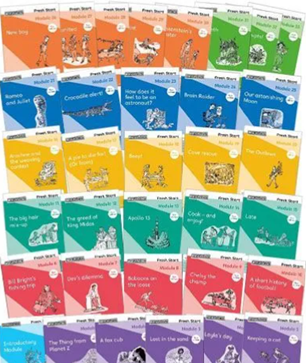
We have broken down this English program into small steps so our pupils can access it, when developmentally appropriate. When their phonological awareness starts to develop in this age band, pupils begin the Read Write Inc. scheme. Read Write Inc. is an inclusive and systematic learning program which incorporates phonics, reading, comprehension, writing and spelling. Beyond RWI, pupils can then access Fresh Start and Literacy and Language.
English For Life
English For Life is aimed at the young people who have come to the end of their learning journey with Read Write Inc. but need more functional support with their learning. English For Life is aimed at young people in upper Key Stage 1, Key Stage 2 & Key Stage 3, primarily on the Purple Pathway.
English For Life builds on the foundations of phonics with the recapping of sounds and reading words that have been carefully chosen in order to enrich the vocabulary of the young people. English For Life attempts to immerse the young people in the story through role play and sensory exploration before looking at the elements of a story and how they are built.
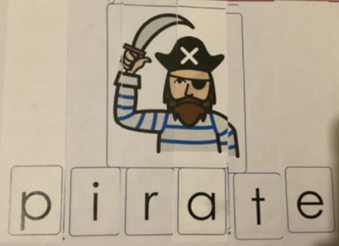
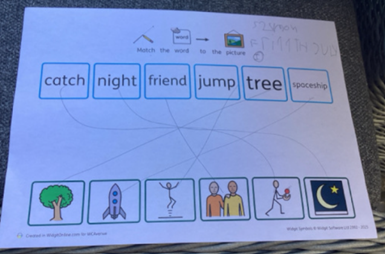
Entry Level (1-3) English; Functional Skills English
Externally accredited programs will be offered to KS4 and KS5 pupils if these are needed for their next steps/destinations and if the pupils are able to access the courses. Pupils’ EHCPs and Adulthood Plans guide us in deciding whether an accredited route is appropriate. Our English continuum identifies departure points for different levels of accreditation to ensure a seamless progression from the main curriculum program.
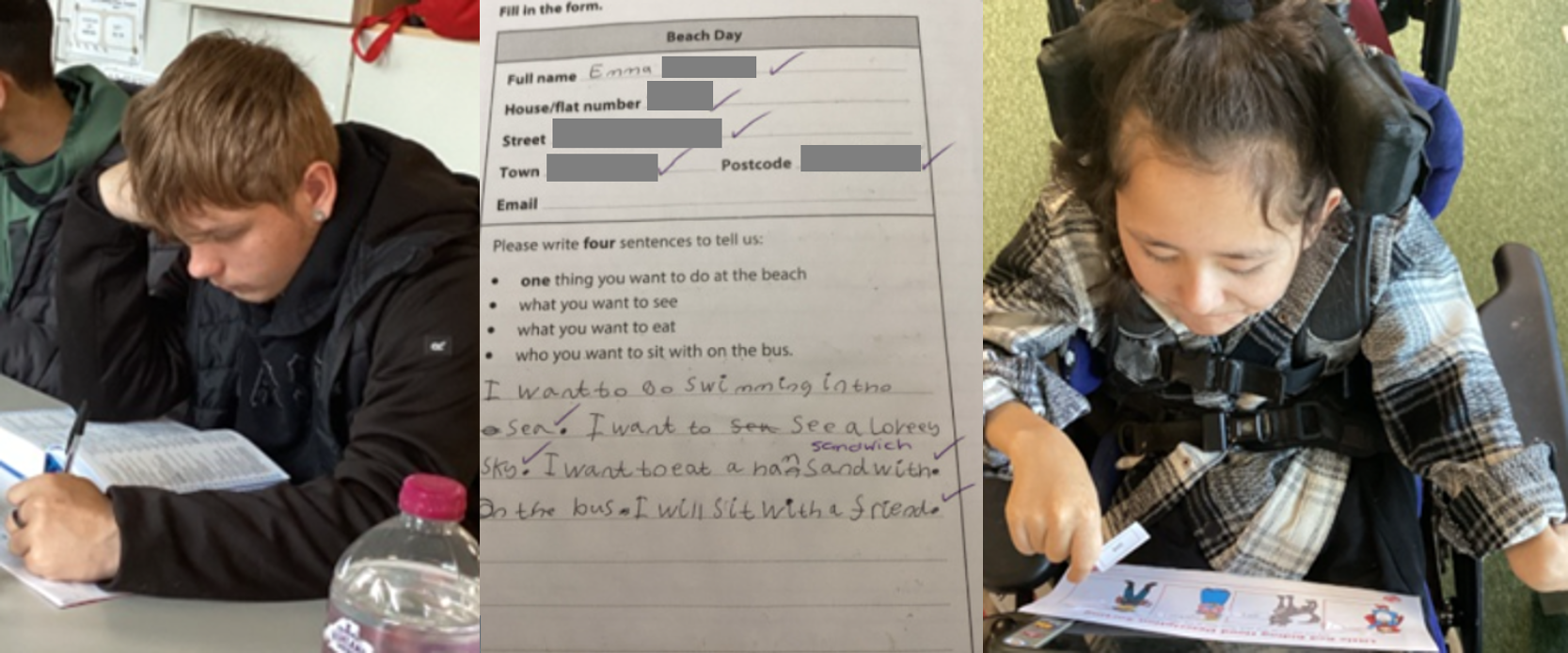
Reading for Pleasure
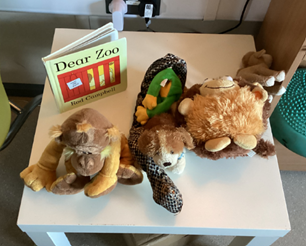
Reading for Pleasure aims to give pupils opportunities to access a range of reading materials; independently or with adult guidance. It also aims to immerse them in rich language and the features and conventions of storytelling. These sessions are timetabled a minimum of four times a week and alternate between pupil-led reading and teacher-led ‘storytimes’.
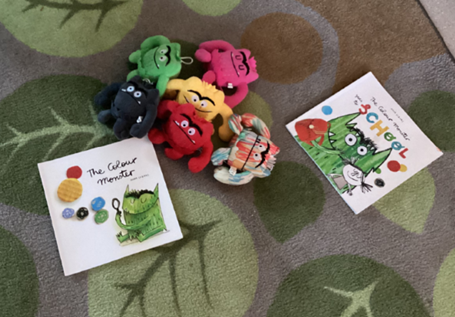
Reading for Pleasure encourages a love of reading, whether this be through graphic novels, picture books, non-fiction and fiction. Sessions are designed to support this love of reading and stories are adapted to support the needs of the young people, including via sensory stories, wellbeing stories, role play, and audio books. Reading for Pleasure will also support the consolidation of the learning that pupils have started in their phonics’ learning. Within Reading for Pleasure, we ensure that there are books from all over the world and experiences to support pupil understanding of the world around them, ensuring that they see characters that represent them and their social and emotional wellbeing is supported.